
- English
- Español
- Português
- русский
- Français
- 日本語
- Deutsch
- tiếng Việt
- Italiano
- Nederlands
- ภาษาไทย
- Polski
- 한국어
- Svenska
- magyar
- Malay
- বাংলা ভাষার
- Dansk
- Suomi
- हिन्दी
- Pilipino
- Türkçe
- Gaeilge
- العربية
- Indonesia
- Norsk
- تمل
- český
- ελληνικά
- український
- Javanese
- فارسی
- தமிழ்
- తెలుగు
- नेपाली
- Burmese
- български
- ລາວ
- Latine
- Қазақша
- Euskal
- Azərbaycan
- Slovenský jazyk
- Македонски
- Lietuvos
- Eesti Keel
- Română
- Slovenski

How Do People Choose the Right Walking Stick For Their Height And Condition?
Choosing the correct walking stick is essential for improving balance, stability, and mobility. The right selection ensures comfort, reduces strain on joints, and enhances independence during walking or recovery. At Dinglian (Zhongshan) Rehabilitation Equipment Co., Ltd., our factory specializes in designing ergonomic mobility aids that meet medical standards and user comfort requirements. This article will guide you through the process of selecting the ideal walking stick based on your height and physical condition.
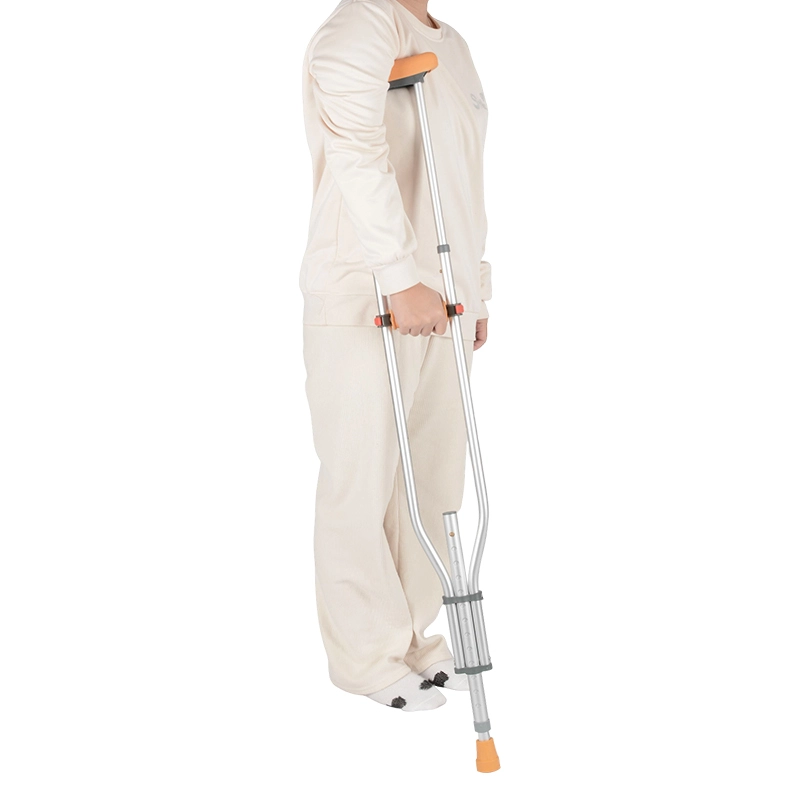
Understanding the Purpose of a Walking Stick
A Walking Stick serves multiple purposes — from offering additional balance for elderly users to assisting patients recovering from leg injuries or surgeries. Selecting a walking stick without considering your height, medical condition, or lifestyle can result in discomfort or even injury. Our company, Dinglian (Zhongshan) Rehabilitation Equipment Co., Ltd., produces a range of high-quality sticks to accommodate diverse user needs, ensuring both safety and confidence during use.
How to Measure the Correct Walking Stick Height
Height adjustment is one of the most important factors when choosing a Walking Stick. A stick that is too tall can cause shoulder tension, while one that is too short can lead to back pain. To determine the proper height, stand upright with your arms relaxed by your sides. The top of the handle should align with the crease of your wrist when wearing your usual walking shoes.
Our factory manufactures sticks with precise adjustable height mechanisms, ensuring users can fine-tune their walking aid according to individual comfort. Below is a table summarizing key height guidelines and technical specifications.
| Recommended User Height | Walking Stick Length Range | Adjustment Increments | Handle Type | Material |
| 150–160 cm | 70–80 cm | 2.5 cm | Ergonomic curved | Aluminum alloy |
| 160–170 cm | 80–90 cm | 2.5 cm | Soft grip | Carbon fiber |
| 170–180 cm | 85–95 cm | 2.5 cm | Foam handle | Aluminum or steel |
| 180–190 cm | 90–100 cm | 2.5 cm | T-shaped | Carbon composite |
| 190 cm and above | 95–105 cm | 2.5 cm | Curved or offset | Aluminum alloy |
At Dinglian (Zhongshan) Rehabilitation Equipment Co., Ltd., every Walking Stick is designed with precision adjustment systems to meet international ergonomic standards.
Selecting the Appropriate Handle Design
The handle design affects both comfort and control. Our research indicates that users with weak grip strength or arthritis benefit most from soft, non-slip handles. Offset handles are ideal for redistributing pressure evenly along the wrist and forearm. Our factory offers various handle styles — T-shaped, curved, ergonomic, and foam-coated — to meet the needs of diverse users.
Each model from Dinglian (Zhongshan) Rehabilitation Equipment Co., Ltd. is tested to ensure a perfect balance between comfort and durability. The non-slip grips are made of eco-friendly materials that maintain texture even in humid environments.
Exploring Walking Stick Materials and Durability
Different materials offer varying levels of strength, weight, and flexibility. Aluminum alloy provides a lightweight and durable option, while carbon fiber offers superior strength and shock absorption. Wooden sticks are classic and aesthetic but require more care. Below is a comparison of our main material types.
| Material Type | Weight Capacity | Durability | Corrosion Resistance | Maintenance Level |
| Aluminum Alloy | Up to 120 kg | High | Excellent | Low |
| Carbon Fiber | Up to 150 kg | Very High | Excellent | Low |
| Stainless Steel | Up to 130 kg | Very High | High | Medium |
| Hardwood | Up to 100 kg | Moderate | Average | High |
All Walking Stick models from Dinglian undergo durability testing and weight-bearing certification to ensure long-term reliability.
Additional Functional Features
Modern walking sticks offer more than just support. Our factory integrates smart design features such as LED lights for night use, anti-slip rubber bases for stability, and foldable designs for easy transport. Adjustable wrist straps and replaceable tips are standard in our premium series. These features make walking safer and more convenient for users across all age groups.
At Dinglian (Zhongshan) Rehabilitation Equipment Co., Ltd., our R&D team continues to innovate in design, prioritizing user safety and ergonomic advancement with every Walking Stick we produce.
Maintenance and Care Guidelines
To maintain performance, clean the shaft and handle regularly using mild soap and a damp cloth. Avoid storing the stick in extremely hot or damp environments. Check the rubber tip periodically and replace it once it shows signs of wear. Our factory provides replacement accessories for every Walking Stick model, ensuring customers can easily maintain their mobility aids.
FAQs About “How Do People Choose the Right Walking Stick For Their Height And Condition?”
Q1: How can I determine the correct Walking Stick height for my body?
A1: Stand upright with your arms relaxed. The top of the handle should align with your wrist crease. Our adjustable designs at Dinglian (Zhongshan) Rehabilitation Equipment Co., Ltd. make fine-tuning this measurement easy for users of all heights.
Q2: What is the safest Walking Stick for elderly users?
A2: Elderly users benefit from lightweight, stable sticks with anti-slip tips and soft ergonomic handles. Our models are specifically engineered to reduce strain on wrists and provide secure traction on smooth floors.
Q3: Can a Walking Stick help with recovery after leg surgery?
A3: Yes. A properly selected stick can redistribute body weight, reduce stress on the recovering limb, and support natural movement. Our medical-grade products are widely used in rehabilitation facilities for this purpose.
Conclusion
Understanding How Do People Choose the Right Walking Stick For Their Height And Condition? allows individuals to select a tool that supports both comfort and confidence. From height adjustment to handle ergonomics and material strength, every element matters. At Dinglian (Zhongshan) Rehabilitation Equipment Co., Ltd., our commitment to precision design and user-focused innovation ensures that every Walking Stick produced in our factory meets the highest global standards for safety, comfort, and durability.