- English
- Español
- Português
- русский
- Français
- 日本語
- Deutsch
- tiếng Việt
- Italiano
- Nederlands
- ภาษาไทย
- Polski
- 한국어
- Svenska
- magyar
- Malay
- বাংলা ভাষার
- Dansk
- Suomi
- हिन्दी
- Pilipino
- Türkçe
- Gaeilge
- العربية
- Indonesia
- Norsk
- تمل
- český
- ελληνικά
- український
- Javanese
- فارسی
- தமிழ்
- తెలుగు
- नेपाली
- Burmese
- български
- ລາວ
- Latine
- Қазақша
- Euskal
- Azərbaycan
- Slovenský jazyk
- Македонски
- Lietuvos
- Eesti Keel
- Română
- Slovenski

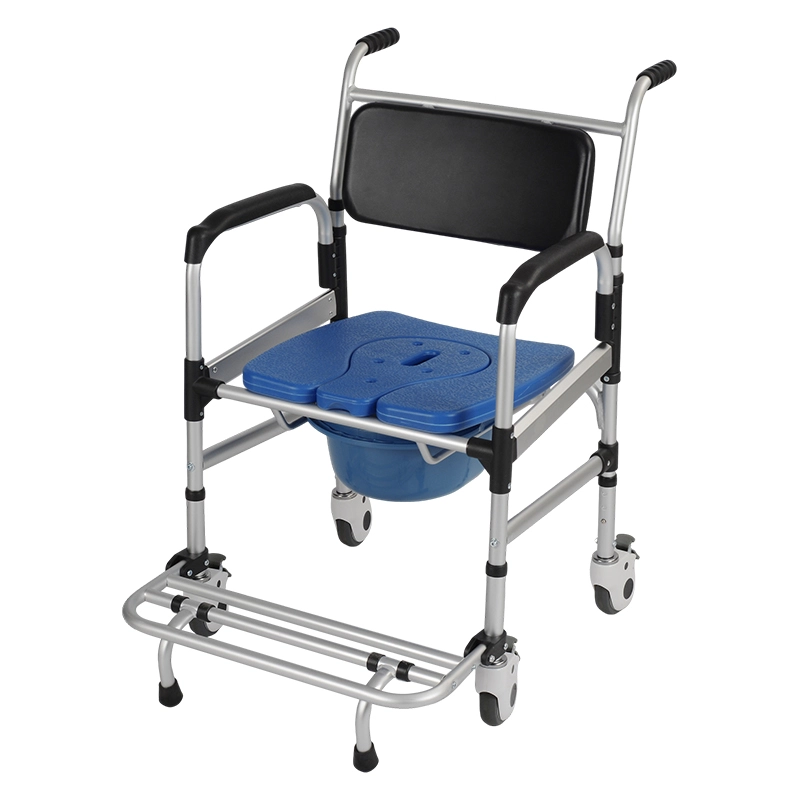
Are Soft Backrest Transfer Commode Chairs Rising to Meet the Demand for Safer, More Comfortable Post-Acute Care?
As global populations age and healthcare systems prioritize patient-centered mobility solutions, soft backrest transfer commode chairs have emerged as a critical tool in post-acute care, rehabilitation, and long-term living. These specialized devices, designed to assist individuals with limited mobility during toileting and transfers, are now at the center of a quiet but significant evolution—one driven by demand for enhanced comfort, safety, and adaptability. Insights from industry leaders like U.S.-based medical equipment manufacturer CareCraft and European mobility specialist EuroAid shed light on how this niche product category is transforming to meet modern care needs.
A Growing Need for Mobility Solutions
The market for transfer commode chairs is expanding rapidly, fueled by demographic shifts: the World Health Organization estimates that by 2050, 1 in 6 people globally will be over 65, up from 1 in 11 in 2020. Concurrently, the number of individuals with mobility challenges—due to aging, surgery, or chronic conditions like arthritis—has surged, creating demand for devices that bridge the gap between independence and assistance.
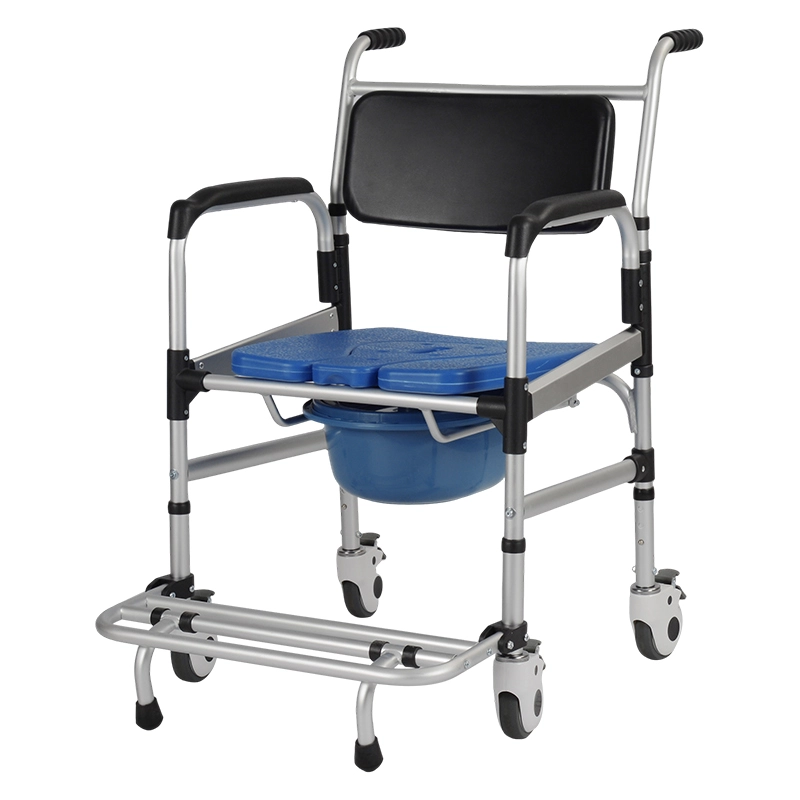
Soft backrest models, in particular, have gained traction. Unlike traditional hard-backed commodes, their padded, contoured designs distribute pressure more evenly, reducing the risk of pressure sores—a critical concern for users spending extended periods seated. CareCraft’s 2024 market analysis notes that soft backrest variants now account for 38% of all transfer commode chair sales, up from 25% in 2020, driven by caregiver and patient feedback emphasizing comfort as a top priority.
Addressing Gaps in Functionality and Safety
While soft backrest chairs address comfort, early iterations faced limitations. Traditional designs often struggled with stability during transfers, with some models tipping or sliding on smooth floors. Additionally, cleaning—vital in infection-prone care environments—proved cumbersome, as fabric backrests could trap moisture or bacteria if not properly sealed.
Recent innovations have targeted these pain points. EuroAid’s latest “FlexComfort” line, for example, integrates anti-slip rubber bases and adjustable leg stabilizers, reducing tip risks by 40% in independent lab tests. The chairs also feature removable, machine-washable backrest covers made from antimicrobial textiles, a response to healthcare facility demands for easier sanitation. “Hospitals and nursing homes won’t compromise on infection control,” notes EuroAid’s R&D director. “Our goal was to make comfort and hygiene coexist.”
Another key focus is adaptability. CareCraft’s “MobilityPlus” series includes chairs with height-adjustable armrests (ranging from 20 to 28 inches) and width-adjustable seats (16 to 20 inches), accommodating users from 120 to 300 pounds. This customization, once rare in the category, now defines premium offerings, with 62% of surveyed caregivers citing “adjustability for varied body types” as a must-have feature.
Market Expansion and Regulatory Influence
The sector’s growth is also tied to evolving healthcare policies. In the U.S., Medicare now covers a broader range of adaptive equipment, including transfer commode chairs, under its durable medical equipment (DME) benefits, provided they meet specific clinical need criteria. In the EU, the Medical Device Regulation (MDR) has mandated stricter safety and performance standards, pushing manufacturers to invest in third-party testing—such as drop tests for frame durability and pressure mapping for backrest efficacy.
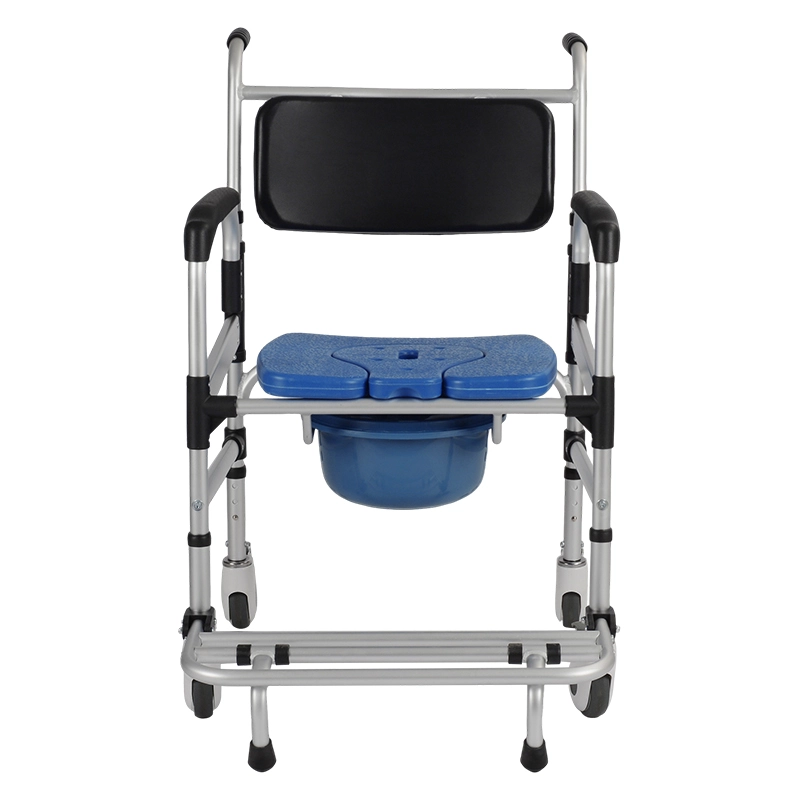
These regulatory tailwinds have spurred competition. Startups like UK-based SafeTransfer are entering the market with modular designs: their chairs can convert from commodes to shower seats with a simple attachment, appealing to home care users seeking multi-functional devices. Meanwhile, established players like Drive DeVilbiss Healthcare are incorporating ergonomic handles and wheel locks that engage with minimal effort, reducing caregiver strain during transfers.
The Future of Patient-Centric Design
Looking ahead, industry experts predict soft backrest transfer commode chairs will increasingly integrate smart technologies. CareCraft is piloting a model with embedded pressure sensors that alert caregivers if a user has been seated for too long, mitigating pressure injury risks. Others are exploring lightweight materials—aluminum alloys and composite plastics—to reduce chair weight by 15-20%, making them easier to maneuver in tight spaces like bathroom stalls.
“Seventy percent of our customers now prioritize ‘user dignity’ as much as functionality,” says CareCraft’s CEO. “That means designing chairs that don’t just work—they make users feel comfortable and respected.”
As aging populations grow and care settings shift toward home-based models, the role of soft backrest transfer commode chairs will only expand. The question now is not whether they’ll remain relevant, but how quickly manufacturers can blend innovation with empathy to redefine what “mobility assistance” means in the 21st century.