
- English
- Español
- Português
- русский
- Français
- 日本語
- Deutsch
- tiếng Việt
- Italiano
- Nederlands
- ภาษาไทย
- Polski
- 한국어
- Svenska
- magyar
- Malay
- বাংলা ভাষার
- Dansk
- Suomi
- हिन्दी
- Pilipino
- Türkçe
- Gaeilge
- العربية
- Indonesia
- Norsk
- تمل
- český
- ελληνικά
- український
- Javanese
- فارسی
- தமிழ்
- తెలుగు
- नेपाली
- Burmese
- български
- ລາວ
- Latine
- Қазақша
- Euskal
- Azərbaycan
- Slovenský jazyk
- Македонски
- Lietuvos
- Eesti Keel
- Română
- Slovenski

What Makes a Folding Wheelchair the Choice for Mobility and Independence?
Mobility plays a vital role in ensuring independence, dignity, and quality of life. Among the many mobility aids available today, the folding wheelchair stands out as one of the most versatile solutions. Whether for elderly individuals, people recovering from injury, or long-term wheelchair users, folding wheelchairs combine functionality with convenience in ways that traditional rigid models often cannot match.
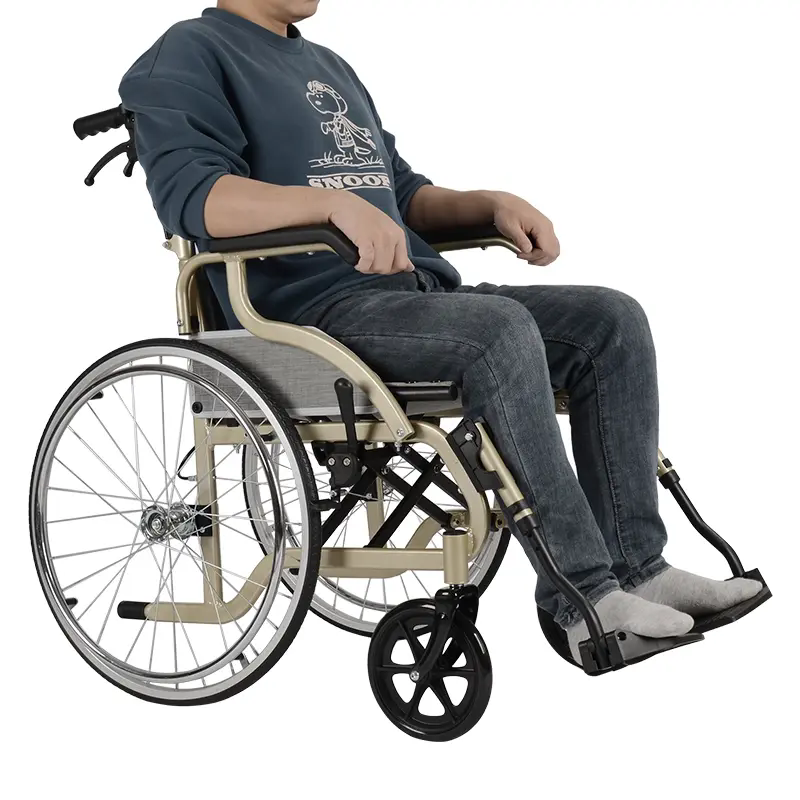
At its core, a folding wheelchair is a mobility device designed to provide users with freedom of movement while offering the ability to fold compactly for storage or transport. Unlike rigid wheelchairs that demand larger space and often more effort to move, folding models prioritize flexibility. They can easily fit into car trunks, narrow hallways, and small apartments, making them ideal for both everyday use and travel.
The importance of folding wheelchairs extends beyond practicality. For many users, it represents a bridge to social participation, ensuring they can attend family events, commute to work, or simply enjoy outings without barriers. This balance between usability and adaptability explains why folding wheelchairs continue to grow in popularity across global markets.
Here is a technical overview of the key parameters that define a high-quality folding wheelchair:
| Feature | Details |
|---|---|
| Frame Material | Aluminum alloy / steel / carbon steel |
| Seat Width Options | 16", 18", 20", 22" (customizable depending on user needs) |
| Seat Height | 18 – 20 inches (adjustable in some models) |
| Weight Capacity | Standard: 100–120 kg (220–265 lbs); Heavy-duty: up to 150 kg (330 lbs) |
| Net Weight | Ranges from 10 kg to 20 kg depending on design and frame material |
| Folding Mechanism | Cross-brace design for compact folding |
| Wheel Type | Solid PU tires / pneumatic tires (front caster: 6–8"; rear wheels: 22–24") |
| Brakes | Manual hand brakes with safety locks |
| Armrests | Fixed or detachable; some models with flip-back design |
| Footrests | Swing-away, detachable, or elevating footrests |
| Upholstery | Nylon or breathable fabric for durability and comfort |
| Portability | Foldable to fit into cars, closets, or storage spaces |
This table demonstrates the professional engineering considerations that go into every folding wheelchair, ensuring not just comfort but also long-lasting performance.
Why Should You Choose a Folding Wheelchair Over Other Options?
Selecting a mobility aid is not just a medical decision but also a lifestyle choice. For individuals exploring wheelchair options, the debate often revolves around rigid wheelchairs versus folding wheelchairs. Understanding why folding wheelchairs are advantageous helps users and caregivers make better-informed decisions.
1. Convenience and Portability
The most obvious advantage lies in its folding mechanism. A folding wheelchair can collapse in seconds, making it ideal for transport by car, bus, or airplane. This portability eliminates many limitations for users who wish to travel without requiring specialized transportation.
2. Space Efficiency
For individuals living in apartments or smaller homes, storage can be a challenge. Folding wheelchairs require minimal space, allowing them to be tucked into a closet, hallway corner, or under a bed when not in use.
3. Ease of Use for Caregivers
Caregivers benefit tremendously from the lightweight yet sturdy build of folding wheelchairs. The ability to quickly fold and unfold the chair reduces physical strain and saves time in daily caregiving routines.
4. Cost-Effectiveness
Compared to many advanced rigid or electric wheelchair models, folding wheelchairs are more affordable while still delivering robust functionality. Their durability ensures long-term savings with minimal maintenance.
5. Versatility in Lifestyle
From shopping trips and office commutes to outdoor recreation, folding wheelchairs adapt seamlessly to various environments. They offer the flexibility of being both a daily-use chair and a travel-friendly option.
In summary, folding wheelchairs combine practicality, affordability, and user-centered design, making them one of the best mobility aids for people looking for independence without unnecessary complications.
How Does a Folding Wheelchair Enhance Daily Life for Users?
To understand the true value of a folding wheelchair, it’s important to look beyond its specifications and focus on how it enhances everyday living.
1. Restoring Independence
For individuals with limited mobility, independence often means being able to leave the house on their own terms. A folding wheelchair empowers users to reclaim control of their schedules without being dependent on others for transportation or storage solutions.
2. Encouraging Social Participation
Isolation is a common challenge for people with mobility issues. With the portability of folding wheelchairs, users can attend social gatherings, participate in community activities, and maintain strong family connections. This emotional well-being is as important as physical health.
3. Supporting Rehabilitation Goals
In many cases, folding wheelchairs serve as temporary aids during recovery from surgery, injury, or illness. Their lightweight design helps patients transition more comfortably, encouraging consistent use without adding strain.
4. Travel and Accessibility
Modern lifestyles often involve frequent movement between environments. Folding wheelchairs are airport-friendly, compatible with taxis, and convenient for long-distance travel. They ensure mobility is not restricted by geographic boundaries.
5. Safety and Comfort Combined
Advanced ergonomic designs prioritize posture, cushioning, and durability, minimizing risks of pressure sores or discomfort. Braking systems and anti-tip features further enhance safety during use.
By addressing both physical and emotional dimensions of mobility, folding wheelchairs improve not only how users move but also how they live and interact with the world.
How Can You Select the Best Folding Wheelchair for Your Needs?
Choosing the right folding wheelchair requires evaluating personal needs, medical conditions, and lifestyle preferences. Here are the key factors to consider:
-
User Weight and Size – Ensure the seat width, depth, and height match the user’s body for maximum comfort.
-
Frame Material – Aluminum frames offer lightweight portability, while steel frames provide extra strength for heavy-duty use.
-
Wheel Type – Solid wheels are maintenance-free and best for indoor use; pneumatic tires provide smoother rides outdoors.
-
Portability – Consider net weight and folded size to ensure easy lifting and storage.
-
Customization Options – Detachable armrests, adjustable footrests, and ergonomic cushions enhance comfort.
-
Budget – Evaluate the cost not only of the wheelchair itself but also of long-term durability and maintenance.
Frequently Asked Questions
Q1: What is the difference between a folding wheelchair and a rigid wheelchair?
A folding wheelchair features a cross-brace design that allows it to collapse into a compact size for easy transport and storage. A rigid wheelchair, while stronger and often used by active full-time wheelchair users, does not fold easily, making it less convenient for travel or small living spaces.
Q2: How long does a folding wheelchair typically last?
The lifespan of a folding wheelchair depends on usage and maintenance. With proper care—such as regular cleaning, brake inspections, and tire checks—a high-quality folding wheelchair can last 5 to 7 years or longer. Heavy-duty models may provide extended durability under frequent use.
Mobility is not just about movement—it is about freedom, confidence, and participation in life. Folding wheelchairs stand as a practical solution that bridges comfort, convenience, and independence for users worldwide. From their lightweight design to their versatility in both everyday and travel scenarios, they provide an ideal balance between functionality and affordability.
For individuals, caregivers, and healthcare providers seeking a reliable solution, choosing a folding wheelchair ensures long-term benefits across physical, emotional, and social dimensions of life.
At Dinglian, we are committed to delivering folding wheelchairs that combine innovation, durability, and user comfort. Our designs are crafted with precision to meet diverse needs and provide the highest level of mobility support. To discover how our products can make a difference in your daily life or caregiving journey, we invite you to contact us today for more information and personalized solutions.